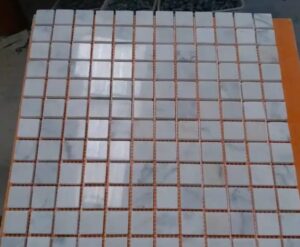
Glass mosaic is an exquisite and popular decorative material widely used in both interior and exterior architectural design. It adds a unique artistic flair to a space, enhancing the overall aesthetic appeal and brightness of the environment. However, many people are unfamiliar with the production process of glass mosaics. This article details the manufacturing process and explores the key details of each step.
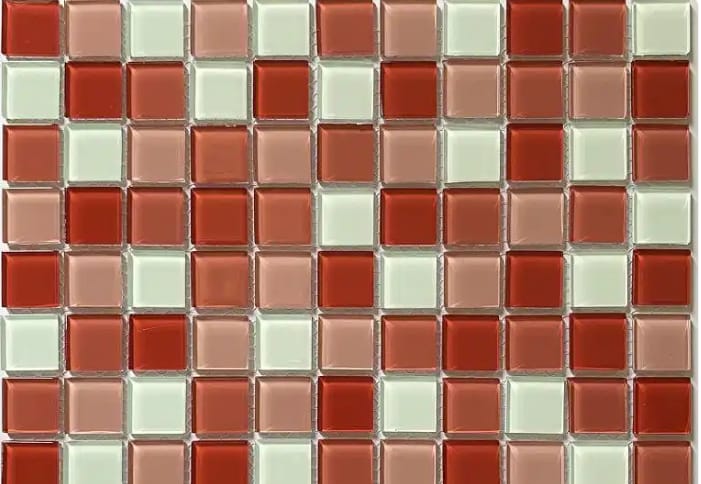
The production of glass mosaics begins with the selection of suitable raw materials. Generally, the primary materials include glass, pigments, and chemical additives. Glass serves as the base material, while pigments provide the desired colors. Chemical additives act as auxiliary agents to process the glass and facilitate the curing of the pigments.
Selection of glass materials. The quality and visual appearance of the glass mosaic depend heavily on the glass material used. Common types include acrylic glass, clear glass, and colored glass. Material selection must take into account the mosaic’s intended use and design requirements to ensure the final result meets expectations.
Cutting the glass material. In this step, the glass is cut into the required shapes and sizes. Professional glass-cutting tools and equipment are typically used to ensure precision and smooth edges. Complex mosaic shapes may require multiple cutting and trimming operations to achieve the desired outcome.
Processing the glass pieces. The glass pieces undergo processing to enhance their strength and durability. This typically involves grinding, polishing, and drilling. Grinding and polishing smooth the glass surface, improving transparency and reflectivity. Drilling is performed—usually at the corners—to facilitate installation.
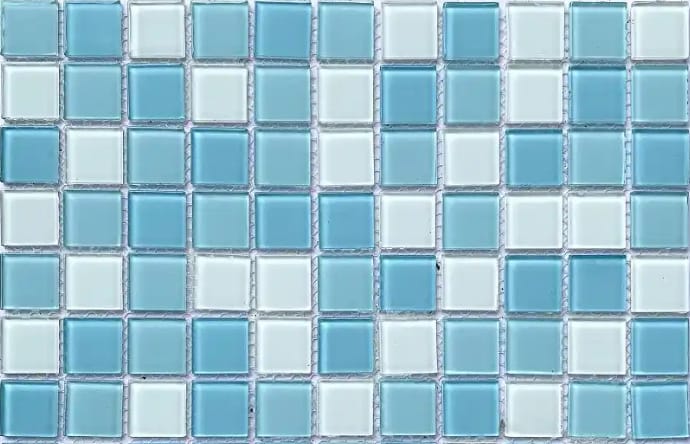
Coloring the glass pieces. This step is essential for glass mosaics requiring color. Common coloring methods include glazing and vacuum deposition. Glazing involves applying special pigments to the glass surface and then heating it to high temperatures to bond the pigment to the glass. Vacuum deposition involves evaporating metal particles onto the glass surface to create a colored effect.
Applying adhesive backing. The purpose of this step is to enable the glass pieces to adhere firmly to the substrate. The adhesive backing enhances the mosaic’s bonding strength and stability. Commonly used backing adhesive materials include water-based adhesives and elastic adhesives. The choice of adhesive depends on the properties of the substrate and the intended application environment.
Packaging and protection of glass mosaics. Once production is complete, glass mosaics must be packaged and protected to prevent damage during transport and installation. Common packaging materials include cardboard boxes, wooden crates, and foam plastic. During the packaging process, care must be taken to sort and layer mosaics of different shapes and sizes to prevent damage caused by impact between pieces.
The above provides a detailed overview of the glass mosaic production process. From material selection to packaging, every step requires meticulous handling and strict quality control by technicians to ensure the final product meets all quality standards. We hope this article gives readers a comprehensive understanding of how glass mosaics are made. If you are interested in this topic or have any questions, please feel free to leave a comment.